UDISE Plus UP | udise plus up login | udise plus up school profile | udise plus up student module | udise plus teacher profile | udise plus student module
Education planning and policy making depend heavily on accurate and reliable data. In India, one of the most important initiatives taken to strengthen school education data management is UDISE Plus.
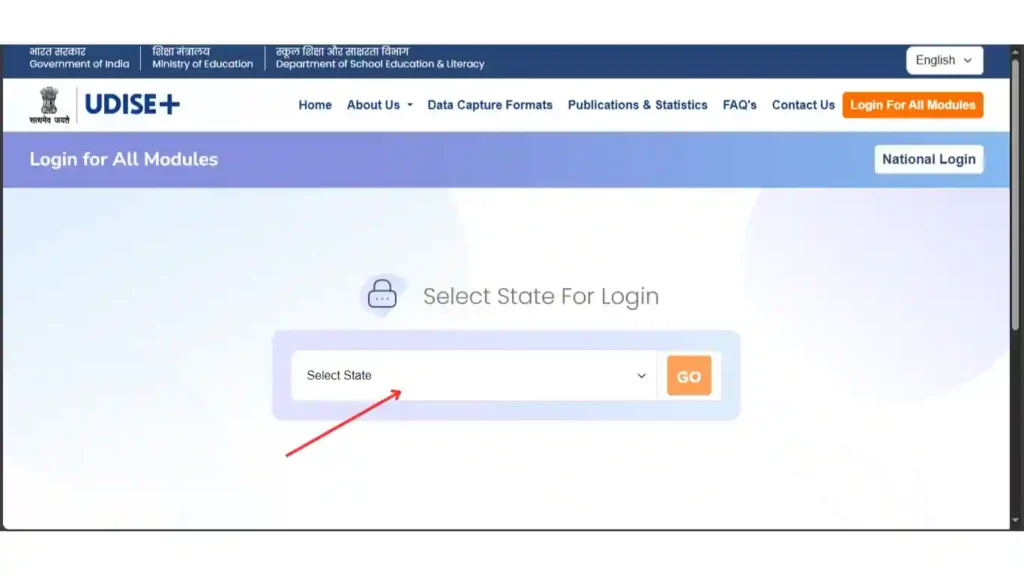
In a large and diverse state like Uttar Pradesh, यूडाइस प्लस UP plays a vital role in tracking school performance, infrastructure, student enrollment, and teacher information. This system has transformed how educational data is collected, analyzed, and used for decision-making. यूडाइस प्लस
This article provides a detailed and easy-to-understand overview of UDISE Plus UP, its objectives, features, benefits, data coverage, and its importance for schools, administrators, and policymakers.
Unified District Information System for Education Plus, or UDISE Plus, is a system to manage and collect data, which is developed by the Department of School Education, Literacy Ministry of Education, Government of India. This platform is launched in the year 2018-19 to analyse the real-time data from schools in order to improve the monitoring, planning and resource allocation throughout the education sector of India.
What is UDISE Plus?
यूडाइस प्लस stands for Unified District Information System for Education Plus. It is an advanced online platform developed by the Government of India to collect comprehensive data from schools across the country. The system covers schools from pre-primary to higher secondary levels and includes both government and private institutions.
In Uttar Pradesh, यूडाइस प्लस UP is implemented across thousands of schools, making it one of the largest education data collection exercises in the country.
Purpose of UDISE Plus UP
The main objective of यूडाइस प्लस UP is to create a reliable, transparent, and real-time database of school education in the state. Earlier, data collection was time-consuming and prone to errors. With digital submission and validation, UDISE Plus has improved data accuracy and accountability.
Key goals include:
- Supporting evidence-based education planning
- Monitoring access, equity, and quality of education
- Tracking school infrastructure and resources
- Measuring progress of government education schemes
Coverage of यूडाइस प्लस UP
यूडाइस प्लस UP covers a wide range of educational institutions, including:
- Government schools
- Government-aided schools
- Private unaided schools
- Madrasas (recognized)
- Special training centers
The system ensures that every recognized school in Uttar Pradesh is mapped with a unique UDISE code, which helps in identifying and tracking schools over time.
Types of Data Collected Under UDISE Plus UP
1. School Profile Information
यूडाइस प्लस UP collects basic but essential details of schools such as:
- School location and management type
- Year of establishment
- Medium of instruction
- School category (primary, upper primary, secondary, senior secondary)
This data helps in understanding the geographical distribution and accessibility of schools in Uttar Pradesh.
2. Infrastructure and Facilities Data
Infrastructure plays a major role in the learning environment. UDISE Plus UP gathers detailed information related to:
- Number of classrooms
- Availability of electricity and drinking water
- Separate toilets for boys and girls
- Library, laboratories, and computer facilities
- Internet and smart classroom resources
This data is used to identify infrastructure gaps and prioritize development projects.
3. Student Enrollment and Demographic Data
One of the most important components of UDISE Plus UP is student data. It includes:
- Enrollment by class and age
- Gender-wise enrollment
- Category-wise data (SC, ST, OBC, Minority)
- Children with special needs (CWSN)
- Dropout and transition rates
- nrega job card
Such detailed information helps in designing targeted interventions for improving enrollment and retention.
4. Teacher and Staff Details
Teacher availability and quality directly impact education outcomes. यूडाइस प्लस UP collects data on:
- Number of teachers and staff
- Teacher qualifications and professional training
- Subject-wise teacher deployment
- Gender and social category of teachers
- Vacant teaching positions
This information assists in rational teacher deployment and training programs.
5. Academic and Performance Indicators
To assess school performance, यूडाइस प्लस UP includes:
- Student attendance rates
- Teacher attendance
- Student-teacher ratio (STR)
- School progression indicators
These indicators help monitor learning environments and administrative efficiency.
6. Implementation of Government Schemes
यूडाइस प्लस UP also tracks the implementation status of various education schemes such as:
- Mid-Day Meal Scheme
- Free textbooks and uniforms
- Digital learning initiatives
- Vocational education programs
- Safety and security measures in schools
This ensures transparency and proper utilization of funds.
Online Data Collection and Verification Process
The UDISE Plus UP platform follows a structured digital workflow:
- Schools fill in data online through the official portal.
- Block and district-level officials verify the data.
- State-level authorities validate and finalize submissions.
- Final data is locked and published for analysis.
Multiple validation checks reduce errors and ensure data authenticity.
Benefits of UDISE Plus UP
For Schools
- Easy online data submission
- Improved visibility at state and national levels
- Better access to government schemes and grants
For Education Administrators
- Real-time monitoring of school performance
- Accurate planning for infrastructure and staffing
- Data-driven decision-making
For Policymakers
- Reliable statistics for education reforms
- Identification of regional and social disparities
- Better tracking of policy impact over time
Role of UDISE Plus UP in Education Planning
Uttar Pradesh has one of the largest student populations in India. UDISE Plus UP helps planners:
- Identify districts with low enrollment
- Improve gender parity in education
- Strengthen secondary and senior secondary education
- Allocate resources efficiently
The data is widely used in reports, surveys, and policy documents at both state and national levels.
Importance of Data Accuracy in UDISE Plus UP
Accurate data is the foundation of effective governance. Incorrect entries can lead to:
- Misallocation of funds
- Teacher shortages or excess staffing
- Inaccurate policy conclusions
Therefore, schools are encouraged to submit verified and updated information every year under UDISE Plus UP.
Challenges Faced in UDISE Plus UP Implementation
Despite its success, some challenges remain:
- Limited digital literacy in remote areas
- Internet connectivity issues
- Data entry errors due to lack of training
- Delay in verification at some levels
Continuous training and technical support are helping overcome these challenges.
Future Scope of UDISE Plus UP
The future of यूडाइस प्लस UP lies in deeper integration with other education platforms and analytics tools. Expected improvements include:
- Advanced dashboards for real-time insights
- AI-based data validation
- Integration with student learning outcomes
- Better tracking of individual school progress
Such enhancements will further strengthen the education system in Uttar Pradesh.
Conclusion
UDISE Plus UP is more than just a data collection system; it is a powerful tool for transforming school education in Uttar Pradesh. By providing accurate, timely, and comprehensive information, it supports transparency, accountability, and informed decision-making.
For schools, administrators, and policymakers, UDISE Plus UP serves as the backbone of education planning and reform. As data quality and digital adoption continue to improve, this platform will play an even greater role in shaping the future of education in the state.